Entertainment
Sundance Jury Honours 'Who Killed Alex Odeh?' From Co-Directors Osder and Youmans
The documentary about the 1985 bombing death of Arab American advocate Alex Odeh won the U.S. Documentary Special Jury Award for Journalistic Excellence at the 2026 Sundance Film Festival, the institute said.
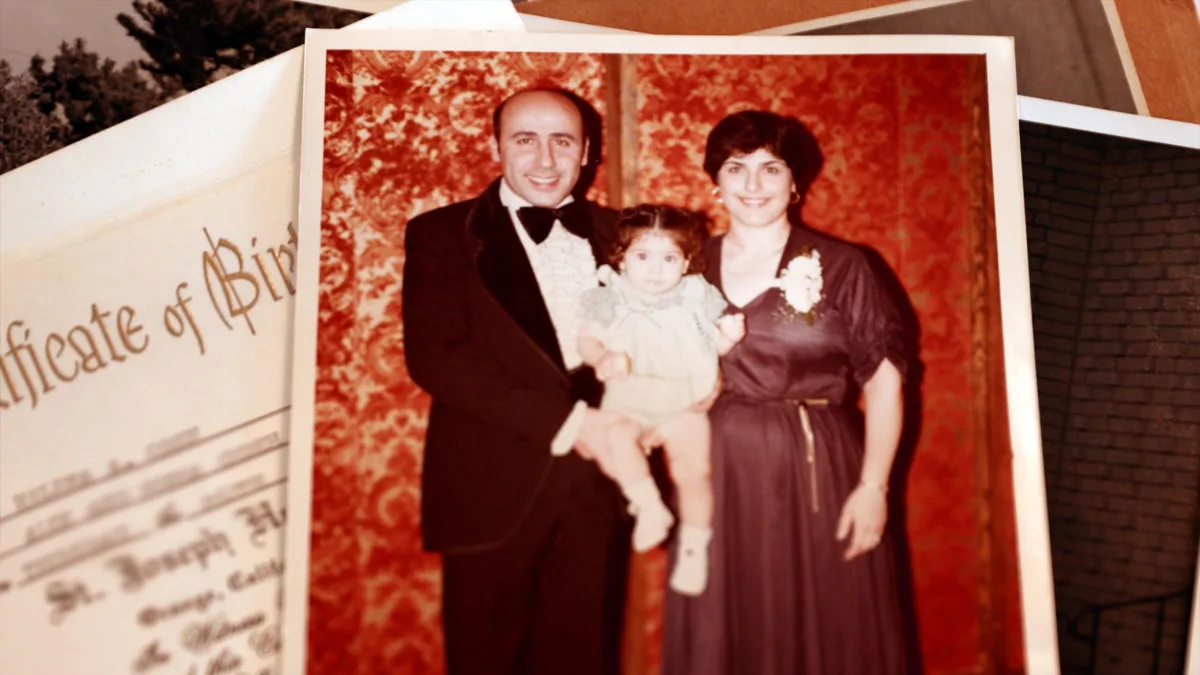
The documentary Who Killed Alex Odeh?, co-directed by Jason Osder and William Lafi Youmans, won the U.S. Documentary Special Jury Award for Journalistic Excellence at the 2026 Sundance Film Festival, the Sundance Institute said in a filmmaker profile published Oct. 28. The film premiered in the festival's U.S. Documentary Competition and examines the assassination of Odeh, who was killed when a bomb rigged to the door of his Southern California office exploded, according to the institute.1
The project began with Youmans, an activist who grew up hearing about the 1985 murder as "a cautionary tale for Arab American activists speaking out for Palestinian rights," he said. "But I never knew much about his case other than it was a gross injustice," Youmans said. He approached Osder after attending a screening of Osder's documentary Let the Fire Burn, about the 1985 MOVE bombing in Philadelphia, the institute said.1
That's how the film got started.1William Lafi Youmans, co-director, in the Sundance Institute profile
Who Killed Alex Odeh? is Youmans's directorial debut, made with Osder as co-director. Youmans said he hopes the film will shed light on Odeh's life and murder for viewers who may know his name but little about his life, and that "everyone who would be outraged at the injustice should hear his story." Osder said he wants the film to reach "a wide U.S. audience" and "people who can have their deeply seated biases about Israel/Palestine shifted."1
Asked what he wants his filmmaking legacy to say, Youmans pointed to two aims. "In terms of social advocacy, it is that justice and other rights should never be compromised by national interests or foreign policy," he said. "Artistically, it is that true crime stories should thoughtfully engage with social and political dimensions." He added that victims and their loved ones "should be more than props" and that true crime "need not be limited to simply whodunit formulas."1
Youmans named archival discoveries as his favourite part of the process, saying the filmmakers searched thousands of hours of material for less than seven minutes of footage, especially of Odeh, given how little anyone had of him. Osder cited the relationships with key collaborators and subjects, "especially my co-director and the Odeh family."1
The profile was written by Jessica Herndon and published by the Sundance Institute on Oct. 28 as part of its Give Me the Backstory series. The institute did not say in the profile when or where the film will be released beyond the festival, or who is distributing it.1
Prepared with reporting tools under our editorial standards. Our editorial approach.
Comments
No comments yet.