Entertainment
Housemarque built Saros's Carcosa sound from didgeridoos and frying chicken
Sony Interactive Entertainment detailed how the Returnal studio's new IP turns processed didgeridoo recordings into the Yellow King's voice, and how a bowl of walnuts became an ocean.
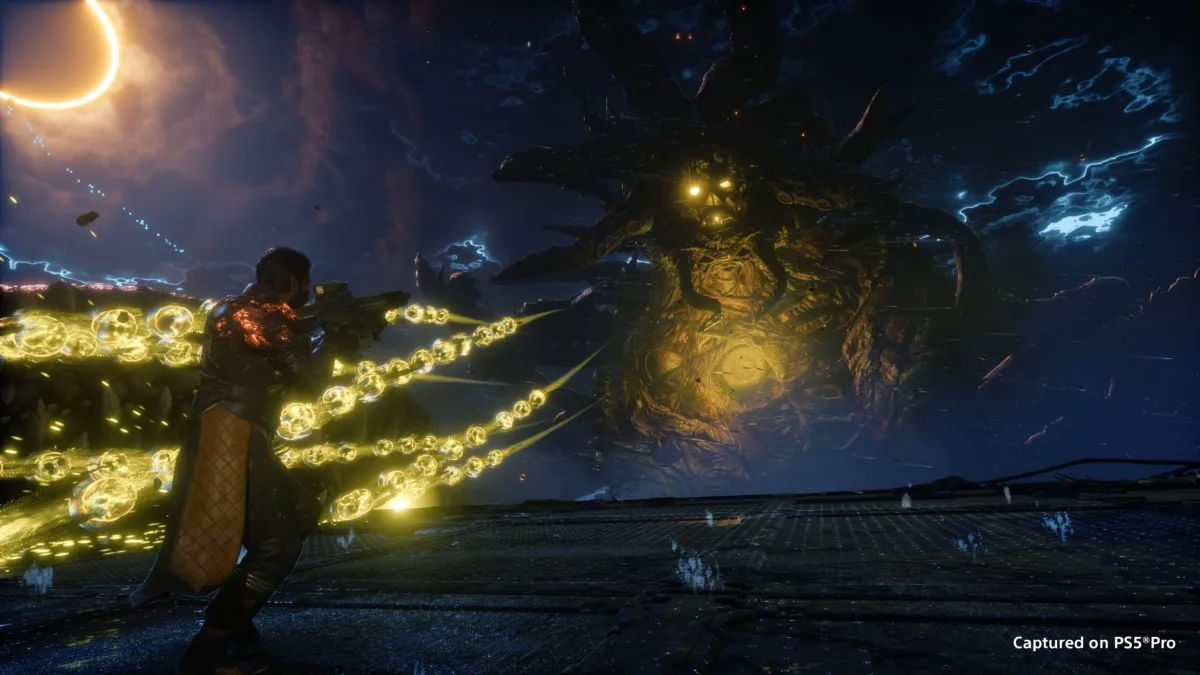
Housemarque gave its audio team a two-word brief for Saros, the studio's new IP: "Refinement, not Reinvention," Sony Interactive Entertainment said in a post published Oct. 27 that detailed the game's sound design. The studio carried forward the gameplay-first approach and immersive soundscape it established with Returnal while building a distinct audio identity for Carcosa, the hostile planet where Saros is set, according to the platform holder.1
The Eclipse became one of the team's first creative anchors because it is central to the world and story of the planet, Sony said. A didgeridoo recording session in the studio produced one of the most useful discoveries: with creative processing the recordings felt epic and versatile, and with further manipulation they could sound like a deep voice.1
This eventually became the foundation for the Yellow King's vocalisations and helped define the wider Saros sound palette, emphasising the influence of the Eclipse, the Yellow King and the Corruption throughout the game.1Sony Interactive Entertainment
The cinematic announcement trailer, the first public presentation of Saros, featured the didgeridoo source alongside many other sounds, according to Sony. The idea of recording something and transforming it into something unusual ran across the entire soundscape, with grounded recordings combined with heavily processed and abstract elements.1
Some sources were unexpected. The first enemy players encounter, an evil mechanical drone, is built partly from processed floppy disk recordings, Sony said. The ocean in the Yellow Shore was created from recordings of marinated chicken, frying chicken and walnuts being moved around a bowl.1
Sam Slater's score combines distorted voices, synthesis, guitars and darker experimental textures, and the team aimed to let music and sound design blend so the Corruption would feel like an overwhelming force spread throughout the world, Sony said. Enemy vocalisations were designed to be fast, tonal and memorable, particularly for attacks players must recognize quickly enough to dodge or absorb with the shield.1
The team created distinct sonic families for organic, mechanical and cosmic enemies. Cosmic enemies needed to feel connected to the divine influence of the Yellow King, with Mongolian throat singing as part of their core vocal foundation and higher elements from singers and instruments such as the shakuhachi, Sony said. Normal, Corrupted and Nova projectiles each have their own palette: blue projectiles use electric and liquid textures, yellow Corrupted projectiles draw from the didgeridoo-based Corruption language, and red projectiles use tonal material derived from processed human screams.1
Sony did not say when Saros will be released, and the post did not state a release date or window. The post also did not say whether the game has received any Canadian content certification.1
Prepared with reporting tools under our editorial standards. Our editorial approach.
Sources
- The sound of Saros: Building an audio identity for Carcosa · Sony Interactive Entertainment (PlayStation)
Comments
No comments yet.